HomeCoursesVisual artsDiploma
Diploma · national qualification
Diploma of Visual Arts
This diploma suits people who want to make art seriously and show it publicly, rather than study it only in theory.
- How long it takes
- 12 to 18 months
- full time at TAFE NSW
- What it costs
- From $10,426
- Subsidised at Chisholm Institute, full fee up to $19,020
- How you can study
- On campus
- Taught by
- 9 providers
- 5 states and territories
Is this course right for you?
What the Diploma of Visual Arts asks of you, and what you might want to check first.
It helps to have
- an interest in making art and showing it publicly
- a willingness to draw and refine visual representation
- good organisational skills for planning a body of work
- an eye for safe handling of materials and equipment
Before you start
Individuals must provide evidence of their technical and organisational skills to conceptualise and create works in selected medium. Skills and knowledge may have been acquired through experience in creative practice or formal study.
Diploma or Advanced Diploma?
The Advanced Diploma of Visual Arts is the higher level. This diploma focuses on combining specialised technical, creative and conceptual skills to plan and realise a body of work in one or more art forms, with practice underpinned by arts theory and history.
See the courseWhere this course can take you
No job needs this course on its own, but it can help with the work below.
Jobs this course can help with
None of these jobs needs a set qualification.
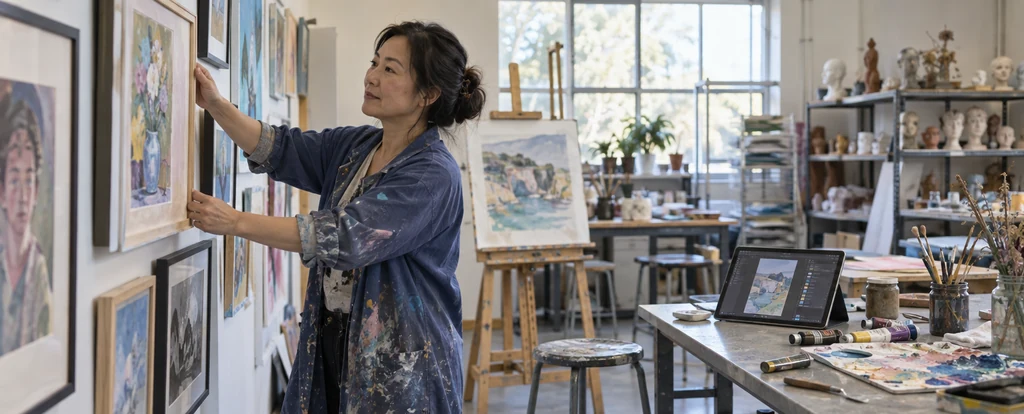
Art Teacher
Art teachers teach students to draw, paint, print and build, and to look critically at the images and objects around them.
Median pay$101,400 (estimate)
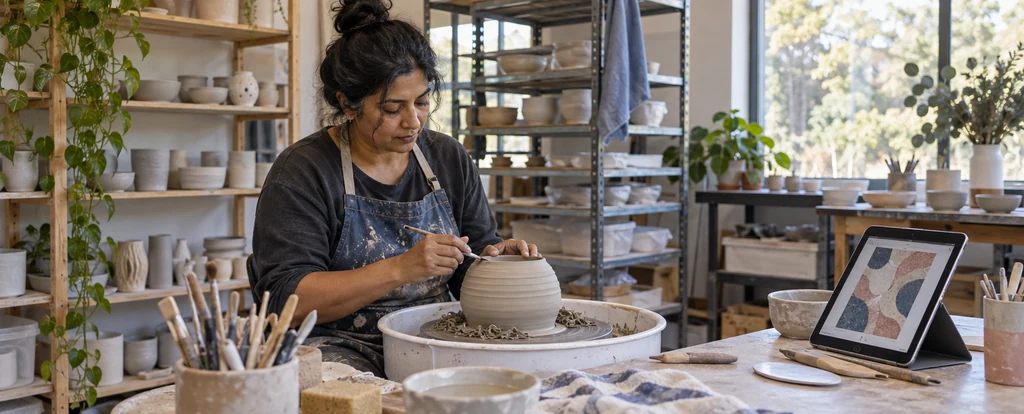
Ceramic Artist
Ceramic artists make functional and sculptural objects from clay, forming, glazing and firing each piece by hand.
Median pay$59,800 (estimate)
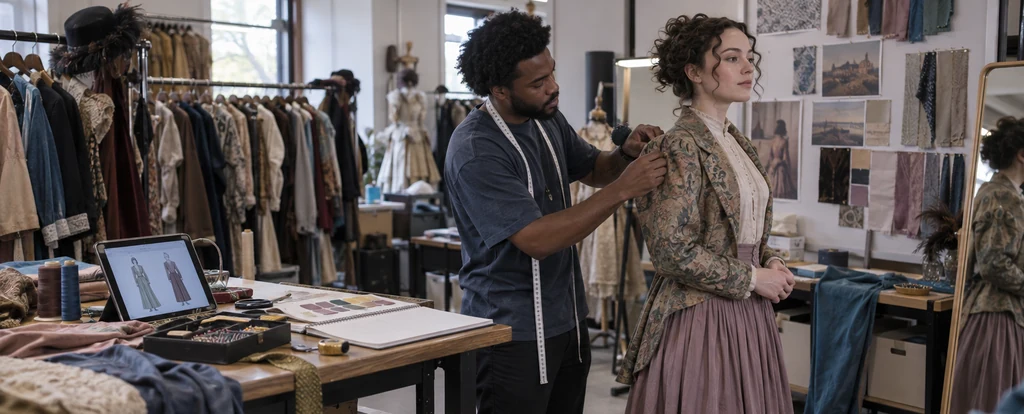
Costume Designer
Costume designers create and oversee the clothing performers wear, working from the script and the director's vision to shape how a character looks and reads on screen or stage.
Median pay$70,200 (estimate)
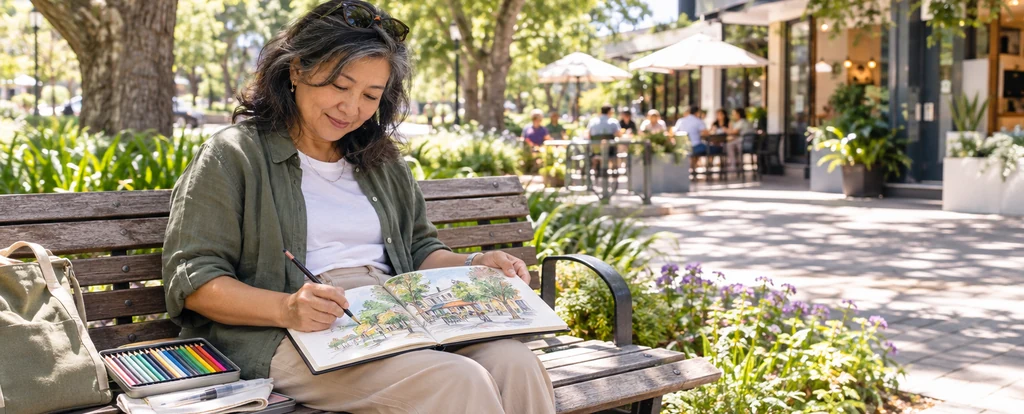
Illustrator
Illustrators turn a brief, a story or an idea into original artwork, usually for a client who needs an image rather than a page of text.
Median pay$96,200
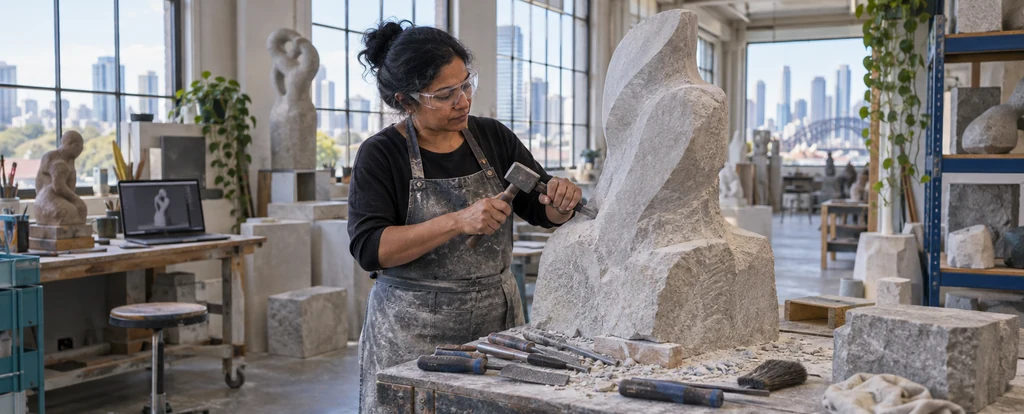
Sculptor
Sculptors make three-dimensional work in materials such as stone, metal, clay and wood, for commissions, exhibitions and public spaces.
Median pay$59,800 (estimate)
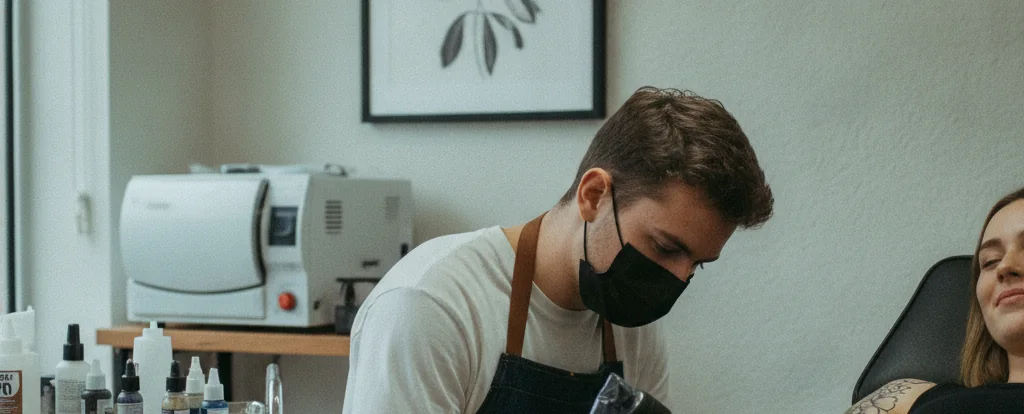
Tattoo Artist
Tattoo artists design and apply permanent body art, turning a client's idea into a drawing, then a stencil, then ink under the skin with strict sterile technique.
Median pay$49,400 (estimate)

Visual Artist
Visual artists make original work in paint, clay, print, digital media or whatever material suits the idea, then find ways to show and sell it.
Median pay$62,400 (estimate)
If you study further
Bachelor of Photography
Leads to work as a, median pay $95,700.
Pay is the median for everyone in the job, and “In demand” means the job is on the national shortage list. Pay marked as an estimate is our own analysis, not a published figure.
What it costs
Subsidised place
From $10,426
at Chisholm Institute. Whether you get a subsidised place depends on your state, residency, age and earlier study.
Paying the full fee
$17,673 to $19,020
across the TAFEs listed below. Private providers set their own fees.
| TAFE | State | Subsidised | Concession | Full fee |
|---|---|---|---|---|
| Chisholm Institute | VIC | $10,426 | $17,673 | |
| TAFE Queensland | QLD | $11,850 | $10,305 | $19,020 |
Chisholm InstituteVIC
- Subsidised
- $10,426
- Full fee
- $17,673
TAFE QueenslandQLD
- Subsidised
- $11,850
- Concession
- $10,305
- Full fee
- $19,020
Fees as each TAFE shows them on its website, read 20 September 2026. Private providers set their own fees.
Where you can study this course
There are 9 places you can study this course. When you compare them, check they teach it the way you want to study, how far you'd be from a campus, what it will cost you and what past students say about the teaching and support. They're listed by how often people search for them, and none of them pays to be here or to move up.
- Website for Melbourne Polytechnic (opens in a new tab)
Melbourne Polytechnic
13 campuses, VIC
3.7from 485 Google reviews
What students like
- Some teachers are supportive and go out of their way
- Student services offer understanding and compassion
What to weigh up
- Messages to staff can go unanswered
- Enrolment mistakes can take time to fix
- Course page for TAFE NSW (opens in a new tab)
TAFE NSW
6 campuses, NSW
4.0from 2,410 Google reviews
- How you study
- On campus
- How long
- 12 to 18 months
What students like
- Teachers are supportive and ready to help
- Staff are helpful and friendly
- Course content is practical and industry relevant
What to weigh up
- Enrolment and admin can be slow
- Some find front desk staff less helpful
What students like
- Lecturers are approachable and care about learning
What to weigh up
- Enrolment and admin can be slow
- Course page for TAFE Queensland (opens in a new tab)

TAFE Queensland
4 campuses, QLD
4.1from 2,040 Google reviews
- How you study
- On campus
- Fee
- From $11,850 subsidised
What students like
- Teachers are helpful and supportive
What to weigh up
- Poor communication from admin
- Website for TAFE SA (opens in a new tab)
TAFE SA
26 campuses, SA
4.4from 1,339 Google reviews
What students like
- Lecturers are nice and helpful
What to weigh up
- Enrolment and admin can be slow
- Course information can be unclear
- Website for Central Queensland University (opens in a new tab)

Central Queensland University
18 campuses
4.1from 999 Google reviews
- Course page for North Metropolitan TAFE (opens in a new tab)
North Metropolitan TAFE
Perth, WA
4.1from 903 Google reviews
- How you study
- On campus
What students like
- Lecturers are helpful and knowledgeable
- Courses provide strong practical skills
- Course page for Chisholm Institute (opens in a new tab)

Chisholm Institute
Frankston, VIC
3.6from 676 Google reviews
- Fee
- From $10,426 subsidised

What you’ll learn
15 units: 5 that everyone takes and 10 you choose.
- Drawing and visual representation
- Building a body of work
- Exhibiting and presenting work
- Running a sustainable practice
- Studio safety and materials
See all 5 core units
Core units
Everyone completes these. Select a unit to see what it covers.
Loading the details for CUAACD531…
Loading the details for CUAACD531…
Questions to ask before you enrol
Providers run this course differently, so the answers change from one to the next.
- When is the next intake, and how many are there each year?
- What is the total cost, including materials, checks and any placement costs?
- Can I study part time or online, and how does that change the length?
- Do the units count towards a higher qualification if I go on to study further?
Questions people ask
Who is this qualification for?
It suits people who want to make art seriously and show it publicly. You learn to sharpen drawing and representation, plan and produce a body of work in a medium like painting or ceramics, present and exhibit finished work, sustain a practice long term, and work safely.
Do I need experience or other qualifications first?
You must provide evidence of technical and organisational skills to conceptualise and create works in a selected medium. These skills may come from creative practice experience or formal study. Individual providers can set their own conditions, so check with the provider you choose.
How is it different from Advanced Diploma of Visual Arts?
The Advanced Diploma of Visual Arts is the higher level. This diploma focuses on combining specialised technical, creative and conceptual skills to plan and realise a body of work in one or more art forms, with practice underpinned by arts theory and history.