Assistant in Nursing
Assistants in nursing support registered and enrolled nurses with the daily care patients need, helping them wash, eat, move and stay comfortable.
- Median salary*
- $65,000
3.8%vs last year, before tax
- People employed
- 39,700
2.1%vs last year
- Projected growth
- +24.7%
to 2035
- AI exposure*
- Low
- automation risk
- Average hours
- 42/wk
+2h vs all jobs
- Shortage status
- Not in shortage
national
Assistants in nursing work in hospitals, aged care homes and community settings, always under the supervision of a registered or enrolled nurse. The role sits closest to personal care: an enrolled nurse gives medication and performs clinical procedures, while an assistant in nursing handles washing, dressing, meals and safe movement. Health care and social assistance is the main employer, and because patients need care around the clock, shifts commonly cover mornings, evenings, nights and weekends.
How much do assistant in nursings earn?
The median full-time salary for an assistant in nursing is $65,000 per annum, before tax, up $13,500 since 2018.
What you take home depends heavily on where you work and when you work. Public hospital jobs sit under state enterprise agreements that pay penalty rates for nights, weekends and public holidays, while aged care providers set their own rates and casual staff usually receive a loading instead of paid leave. Agency shifts and a permanent night roster can lift weekly earnings, but the base rate for the role stays modest for the responsibility involved.
What does an assistant in nursing do day to day?
The list below is what fills most weeks; the exact mix shifts with seniority and whatever stage the current work is at.
- Helping patients shower, dress, use the toilet and keep up their personal hygiene
- Serving meals and assisting patients who need help with eating and drinking
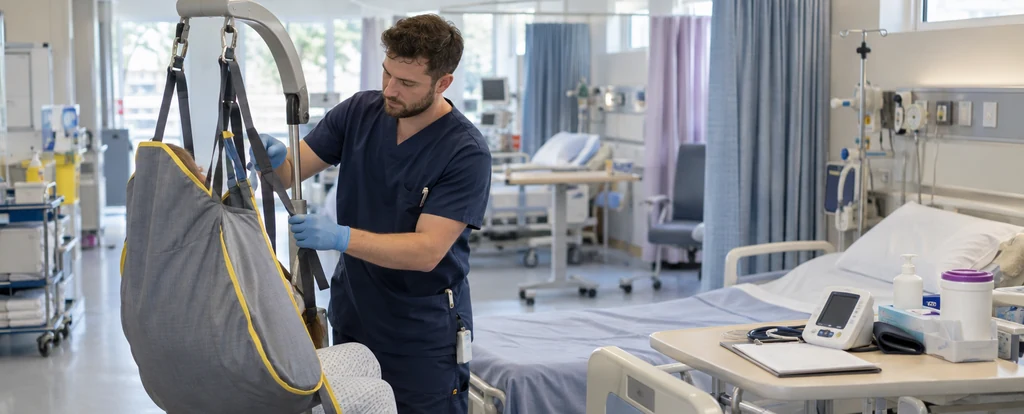
- Moving patients with hoists and manual handling techniques, and repositioning them to prevent pressure sores
- Taking and recording vital signs such as temperature, pulse and blood pressure, then reporting any change to the nursing team
- Changing linen, tidying bed areas and restocking supplies so the ward or unit keeps running
What skills do assistant in nursings need?
Employers look for patient care and support, infection control and hygiene, backed by iCare fluency and strong written communication.
Specialist skills
- Patient care and support
- Infection control and hygiene
Software and tools
- iCare
- MasterCare
- Titanium
- Patient hoists
- Blood pressure monitors
General skills
- Written communication
- Empathy and interpersonal care
- Attention to detail
- Physical stamina and dexterity
- Safety and compliance awareness
Is the job growing?
About 39,700 people work as assistant in nursings in Australia, and employment is projected to grow 24.7% over the decade to 2035. That's very strong growth. Few roles in Australia are expanding this fast, and it points to solid demand for years to come.
How do you become an assistant in nursing?
Here's the path most assistant in nursings take, step by step.
- 1Complete a Certificate III in Health Services Assistance or Individual Support
These run for about six to twelve months through TAFE or a private registered training organisation and include a work placement. For hospital work, choose the acute care stream rather than the aged care specialisation.
- 2Sort out first aid and the pre-employment checks
Most employers ask for a first aid certificate, a National Police Check, evidence of immunisation and, for aged care or disability work, an NDIS worker screening check. A working with children check is also common where patients may be young.
- 3Get a start in aged care, community care or a hospital pool
Many people begin casual or part-time in a residential aged care home or as a relief assistant in a hospital, then build the ward experience that permanent hospital roles ask for.
- 4Apply through state health service recruitment
Public hospitals recruit assistants in nursing through central nursing or casual pools, and the application usually asks for your certificate, checks and evidence of manual handling training.
- 5Study on if you want to go further
The Diploma of Nursing (HLT54121) leads to enrolled nursing and a bachelor degree to registered nursing. Both build directly on the bedside experience you already have.
Ready to apply as an assistant in nursing?
Whether you're working toward becoming an assistant in nursing or already are one and want a hand with the next step (sharpening your resume for ATS screening, tightening your cover letter, or knowing what you'll actually be asked at interview), here are examples grounded in this specific role, not generic templates.
What jobs can an assistant in nursing move to?
Moving into Registered Nurse typically comes with the biggest pay rise, worth $49,000 a year more on average.
| Move to | Typical pay change | Overlap | Retraining |
|---|---|---|---|
| Registered Nurse Assistants in nursing bring direct patient care experience to registered nursing, requiring a nursing degree.Known move | +$49,000 | 38% | requalify |
| Enrolled Nurse Assistants in nursing bring bedside care experience to enrolled nursing, with diploma study in nursing.Known move | +$27,400 | 45% | reskill |
| Aged Care Worker Assistants in nursing bring personal care and patient handling skills to aged care work, needing a short course in aged support.Known move | +$26,600 | 50% | short course |
| Disability Support Worker Assistants in nursing bring personal care and daily support skills to disability work, with further study in disability support.Known move | +$26,600 | 29% | reskill |
| Cardiac Technician Assistants in nursing bring patient care and hospital ward skills to cardiac technology, with further training in cardiac testing. | +$22,400 | 44% | reskill |
Moves are chosen from Jobs and Skills Australia's Data on Occupation Mobility, which follows income tax records between 2011-12 and 2020-21, together with entry requirements and skill overlap. A known move is one people were seen making in that data. Pay change compares median full-time pay for the two roles.
Who works as an assistant in nursing?
The typical assistant in nursing is 36 years old; 85% are women, 36% work full-time, and full-timers average 42 hours a week.
- 36
- Median age
- 85%
- Female share
- 36%
- Full-time
- +2h
- vs all-jobs avg
What's it like being an assistant in nursing?
The work follows the ward or the home: a round of care for each patient, then handover, then the next round. It is steady and physical rather than fast, and the day is shaped by the nurses you report to and the patients you get to know over a stay. People who enjoy it tend to like being genuinely useful to someone who cannot manage alone, and are comfortable with the routine and the closeness of personal care.
What people like
- You are the one who notices. Because you are with patients through washing, meals and repositioning, you often spot the first sign that someone is unwell, uncomfortable or not eating, and that observation goes straight to the nurse in charge.
- A clear role in a team. You work alongside nurses, physiotherapists and other assistants, and handover makes your contribution visible. That structure suits people who like knowing exactly what is expected of them each shift.
- Shift patterns with some give. Rosters include nights and weekends, which does not suit everyone, but casual and part-time arrangements can be fitted around study or family in a way few entry-level jobs allow.
- A way into health care without a degree. A certificate gets you working in the system within a year, and many assistants use the role to test whether nursing is for them before committing to a diploma or degree.
What people find hard
- Physically hard on the body. You are on your feet for most of a shift, and lifting, transferring and repositioning patients, even with hoists, adds up over a career. Back and shoulder injuries are a real risk if manual handling slips.
- Patients deteriorate and die. You get to know people over weeks of care, so when someone's health turns or they pass away it lands hard, and the shift carries on regardless.
- Rosters change at short notice. Nights, weekends, public holidays and sick leave cover are part of the job, and your plans outside work have to bend around the roster rather than the other way.
- Pay at the lower end of health care. The base rate is modest for the physical and emotional demands, so penalty rates, casual loadings and shift patterns do a lot of the work in making the income workable.
Based on our synthesis of professional-body surveys and public accounts of the role, not first-person verified reviews.
Which industries employ assistant in nursings?
Health Care and Social Assistance employs the largest share of assistant in nursings.
Top employing industries
- 1Health Care and Social Assistance
Ranked by employment share; the source doesn't publish an exact percentage per industry.
| Certificate III/IV | 36.1% | |
|---|---|---|
| Year 12 or below | 18.6% | |
| Bachelor degree | 16.9% | |
| Diploma / Advanced Diploma | 15.5% | |
| Postgraduate | 6.1% |
Will AI replace assistant in nursings?
This is a low-exposure job, because almost all of the work is delivered by hand to a person in the room. Care systems such as iCare and MasterCare, digital blood pressure monitors and mechanical hoists change how care is recorded and how patients are moved, but they do not change the need for someone to wash, feed and reassure a patient. The parts most affected sit on the admin side: documenting care and writing shift handover notes.
Share of typical working time by exposure level
- Personal care and moving patientsShowering, dressing and transferring someone with a hoist depends on touch, balance and reading how that person is coping today, which no system does for you.40%low
- Recording care and shift handoverTyping care notes into systems like iCare or MasterCare and writing handover entries is the most exposed part, as structured care apps and speech-to-text absorb more of the record keeping.25%high
- Vital signs and watching for changesDigital monitors capture temperature and blood pressure automatically and the care system flags the numbers, but noticing that a patient has gone quiet or looks worse still comes from being in the room.20%moderate
- Meals, feeding support and hydrationServing meals and helping someone eat means judging how they are swallowing and whether they have had enough, which is a hands-on observation rather than a task software can take over.15%low
Common questions about becoming an assistant in nursing
Straight answers to the questions people ask most.
How much do assistants in nursing earn?
Assistants in nursing earn $65,000 per year before tax at the median for full-time work. The figure moves with your sector and roster, since public hospital agreements pay penalty rates for nights and weekends while aged care providers set their own rates and casual staff receive a loading.
How do you become an assistant in nursing?
The usual entry is a Certificate III in Health Services Assistance (HLT33115) or Individual Support, which takes about six to twelve months and includes a work placement. You will also need a first aid certificate, a police check and immunisation evidence before you start on a ward.
Are assistants in nursing in demand?
Assistants in nursing are currently not in shortage, and employment is projected to grow 24.7% over the decade to 2035. For someone looking for work, that means vacancies appear regularly across hospitals, aged care and community care, and the certificate is portable between them.
Will AI replace assistants in nursing?
Very little of this job is exposed to automation, because the core of it is hands-on care of a person in the room. Electronic care systems such as iCare and MasterCare, digital vital signs monitors and mechanical hoists change how care is recorded and how patients are moved, but someone still has to wash, feed and reassure them. Documentation and handover notes are the parts most likely to be reshaped.
What can an assistant in nursing move into?
Most people move sideways into aged care or disability support, or study on into nursing. Aged care work pays $26,600 more for the same personal care skills with a short course in aged support, while enrolled nursing takes a diploma and pays $27,400 more and registered nursing takes a degree and pays $49,000 more. Both nursing pathways build on the bedside experience you already have.
Is an assistant in nursing the same as an enrolled nurse?
No. An assistant in nursing provides personal care and basic support under supervision, while an enrolled nurse is registered with AHPRA, can give medication and performs clinical procedures such as dressing wounds. The diploma that makes someone an enrolled nurse is the next step up from the certificate assistants hold.
Related roles
- Aged Care Worker
- Disability Support Worker
- Registered Nurse
- Enrolled Nurse
- Cardiac Technician
- Aged Care Worker
Not sure this is you? Take the career quiz and get a ranked shortlist of roles that fit how you like to work.