Driller
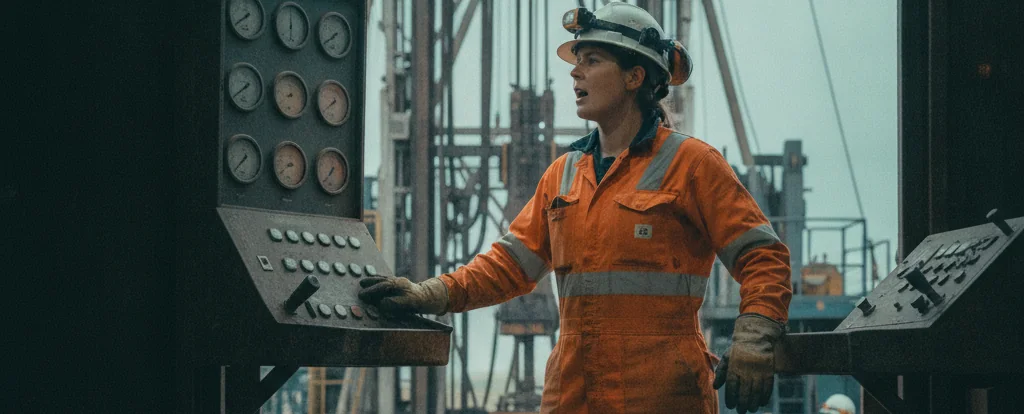
Drillers run the rig and the crew that bores the holes used to find and extract minerals, oil, gas and water.
- Median salary
- $151,200
4.4%vs last year, before tax
- People employed
- 8,100
1.3%vs last year
- Projected growth
- +5.8%
to 2035
- AI exposure*
- Moderate
- automation risk
- Average hours
- 68/wk
+28h vs all jobs
- Shortage status
- Not in shortage
national
Most drilling work happens on mine sites, exploration leases and gas fields, often in remote locations on a fly-in, fly-out roster. A driller runs the rig and directs an offsider, adjusting rotation, pressure and mud circulation as the ground changes, and carries responsibility for keeping the hole on target and the crew safe. The job is different from mining that follows the ore, because the driller's task is to make the hole itself, to the depth and angle a geologist or engineer has set.
How much do drillers earn?
The median full-time salary for a driller is $151,200 per annum, before tax, up $32,000 since 2018.
What a driller takes home moves with the roster and the site more than with the job title. Remote and offshore work, night shifts and site allowances lift total earnings, while exploration drilling tied to a commodity downturn can mean gaps between contracts. The rig you can run, from a small exploration unit to a large blast hole or offshore rig, also sets what a site is willing to pay.
What does a driller do day to day?
The list below is what fills most weeks; the exact mix shifts with seniority and whatever stage the current work is at.
- Running the rig controls through a shift, adjusting rotation, pressure and mud flow as the ground changes
- Reading gauges and watching the cuttings come up to judge what the bit is drilling through and whether the settings need to change
- Changing bits and servicing rig components between runs, work that leaves hands and overalls covered in mud and grease
- Directing an offsider through rod changes and connections, and running pre-start checks before each shift
- Keeping the drilling log and reporting depth, progress and problems to the supervisor at handover
What skills do drillers need?
Employers look for plant and equipment operation, worksite safety management, regulatory compliance, backed by rotary drilling rig fluency and strong problem solving.
Specialist skills
- Plant and equipment operation
- Worksite safety management
- Regulatory compliance
Software and tools
- rotary drilling rig
- drawworks and hoisting equipment
- mud circulation systems
- pressure gauges and monitoring instruments
- hand and power tools
General skills
- Problem solving
- Attention to detail
- Written communication
- Physical stamina and dexterity
Is the job growing?
About 8,100 people work as drillers in Australia, and employment is projected to grow 5.8% over the decade to 2035. That's modest growth: demand is steady rather than booming.
How do you become a driller?
Here's the path most drillers take, step by step.
- 1Start as a driller's offsider
Almost everyone enters on the offsider's side of the rig, handling rods and preparing holes. Drilling contractors and labour hire firms hire offsiders with no drilling experience, so this is the practical first job rather than something a course leads into.
- 2Get the safety cards and licences
You will need a White Card for civil drilling sites, a heavy vehicle licence for most rigs, and the mining induction your state requires, such as Standard 11 in Queensland. Employers also arrange a pre-employment medical and drug and alcohol screening before you go on site.
- 3Complete a drilling qualification while you work
A Certificate II or Certificate III in drilling operations, delivered by an RTO and often funded by the employer, covers rig operation, mud systems and safety. It is usually done on the job over a year or two rather than before you start.
- 4Move onto the controls as a driller
After a year or two of offsiding you progress to running the rig under supervision, then sign off the competencies the qualification requires. The Australian Drilling Industry Association runs short courses and sets much of the industry's training standard.
- 5Add endorsements as the work changes
Drillers who move into blast hole work, water bores or offshore rigs pick up extra high risk work licences and endorsements. Each one widens the range of rigs you can operate.
Ready to apply as a driller?
Whether you're working toward becoming a driller or already are one and want a hand with the next step (sharpening your resume for ATS screening, tightening your cover letter, or knowing what you'll actually be asked at interview), here are examples grounded in this specific role, not generic templates.
What jobs can a driller move to?
Moving into Crane Operator typically comes with the biggest pay rise, worth $26,200 a year more on average.
| Move to | Typical pay change | Overlap | Retraining |
|---|---|---|---|
| Crane Operator Drillers' rigging and load handling experience transfers to crane work, with a short course covering the specific lifting tickets.Known move | +$26,200 | 53% | short course |
| Miner Drillers bring rig operation and site safety experience to general mining work, needing only a site induction and standard tickets.Known move | +$0 | 58% | short course |
| Shot Firer Drillers understand hole patterns and safe explosives handling, making the shot firing ticket a minimal addition to their skills.Known move | −$31,600 | 63% | minimal |
| Earthmoving Plant Operator Drillers already operate heavy plant and read ground conditions, so a short course adds the specific earthmoving machinery tickets.Known move | −$48,200 | 53% | short course |
| Truck Driver Drillers' experience with heavy rigs and remote site logistics transfers to truck driving, which needs a heavy vehicle licence and reskilling.Known move | −$49,300 | 14% | reskill |
Moves are chosen from Jobs and Skills Australia's Data on Occupation Mobility, which follows income tax records between 2011-12 and 2020-21, together with entry requirements and skill overlap. A known move is one people were seen making in that data. Pay change compares median full-time pay for the two roles.
Who works as a driller?
The typical driller is 38 years old; 98% are men, 93% work full-time, and full-timers average 68 hours a week.
- 38
- Median age
- 2%
- Female share
- 93%
- Full-time
- +28h
- vs all-jobs avg
What's it like being a driller?
Drilling sets the rhythm of the day rather than the other way round, because a shift runs until the hole is finished or the rods are pulled, and full-time drillers average 68 hours a week across long rosters. Much of the work is physical and repetitive, and plenty of it happens in heat, dust or mud well away from home. People who stay with it tend to like machinery they can feel through their hands, a small crew with clear roles, and the long blocks of time off that offset the days on.
What people like
- Machinery you control directly. The rig responds to what you do with the controls, and reading the ground through the gauges and the feel of the rods is a skill that builds hole by hole.
- A small crew with clear roles. Most rigs run with a driller and an offsider, so the day gets worked out between two or three people instead of passing through layers of supervision.
- Long blocks away, then long blocks off. Rosters on remote sites are commonly even time or close to it, so time off arrives in stretches long enough to travel or rest properly.
- The ground keeps changing. Holes range from shallow exploration bores to deep blast hole patterns, and moving between mine sites, water bores and gas work stops the routine from settling.
What people find hard
- Shifts that wear you down. Rod handling, bit changes and hours on your feet in the heat take a toll, and the first months as an offsider are the hardest part of the job.
- Weeks away from home. Most positions are fly-in, fly-out or drive-in, drive-out, so being away from family and friends for blocks of weeks is part of the arrangement.
- Weather and ground conditions. Rain, dust and mud stop and restart the job, and a collapsing hole or a stuck bit can turn an ordinary shift into a very long one.
- Work follows exploration budgets. Contract crews are the first to feel a slowdown when commodity prices fall, so quiet periods between jobs are a real feature of the trade.
Based on our synthesis of professional-body surveys and public accounts of the role, not first-person verified reviews.
Which industries employ drillers?
Mining employs the largest share of drillers, followed by Construction.
Top employing industries
- 1Mining
- 2Construction
Ranked by employment share; the source doesn't publish an exact percentage per industry.
| Year 12 or below | 42.8% | |
|---|---|---|
| Certificate III/IV | 40.8% | |
| Diploma / Advanced Diploma | 6.5% | |
| Bachelor degree | 2.8% | |
| Postgraduate | 0.7% |
Will AI replace drillers?
Automation reaches the driller's job at the controls, where auto drill systems already hold feed, rotation and pull within set limits, and some mine sites run remote or autonomous rigs. That takes people away from the console rather than off the site, because the physical work of handling rods, changing bits and repairing the rig still needs hands. Overall the role sits in the middle: parts of the shift are exposed, but the ground and the machinery keep the rest grounded in the field.
Share of typical working time by exposure level
- Rod changes, bit changes and rig servicingThreading rods, swapping a bit and greasing a rotary head are manual jobs in mud and grease, and no system on a working rig does them without a person.40%low
- Running the rig controls through a shiftAuto drill and remote operation systems can hold a hole on target on repetitive blast hole patterns, so a driller may monitor two rigs from a control room rather than one rig from the platform.25%high
- Reading gauges, cuttings and ground conditionsSoftware logs penetration rates and pressure, but deciding that the bit is dulling or the hole is about to cave still comes from watching the cuttings and the gauges.25%moderate
- Drilling logs and progress reportingDepth, progress and downtime are captured by rig monitoring software and written up automatically, leaving the driller to check and add notes at handover.10%high
Moves least exposed to AI
These career moves from driller work are rated low for AI exposure:
- Shot Firer
High skill overlap (63%), little retraining to get there, and a low automation-risk profile.
- Crane Operator
Solid skill overlap (53%), short course to get there, and a low automation-risk profile.
Common questions about becoming a driller
Straight answers to the questions people ask most.
How much do drillers earn?
Full-time drillers earn a median of $151,200 per year before tax. That figure covers a wide range, because site allowances, night shifts, roster length and whether you are on staff or on contract all change what lands in your account.
How do you become a driller?
Most people start as a driller's offsider, learn the rig from the ground up, then take a Certificate III in drilling operations and move onto the controls. You do not need a degree, but you will need a heavy vehicle licence, your state's mining induction and a clean pre-employment medical.
Are drillers in demand?
Drillers are currently not in shortage, and employment is projected to grow 5.8% over the decade to 2035. For someone entering the trade, the useful question is which sector is hiring, since mine site blast hole work tends to be steadier than exploration drilling, which rises and falls with commodity prices.
Will automation replace drillers?
Automation has already reached the controls, with auto drill systems holding feed and rotation within set limits and remote or autonomous rigs running on some mine sites. What it changes most is how many people stand at the console during a run. Ground interpretation, bit changes, rig repairs and keeping a crew safe still need someone on site.
What can drillers move into?
Rig experience transfers to crane operating, where a short course adds the lifting licence and pay is $26,200 more, and to general mining work at about the same. Shot firing needs minimal retraining from a drilling background, though it pays $31,600 less. In the other direction, an offsider who moves onto the controls earns $55,000 more.
Is drilling a hard job?
It is physically demanding, especially in the first year as an offsider, and the shifts are long by any standard. People who last tend to be comfortable with heavy machinery, remote sites and long rosters, and the work gets easier once you are running the rig rather than handling the rods.
Related roles
Not sure this is you? Take the career quiz and get a ranked shortlist of roles that fit how you like to work.