Home Manufacturing & Production
Winemaker
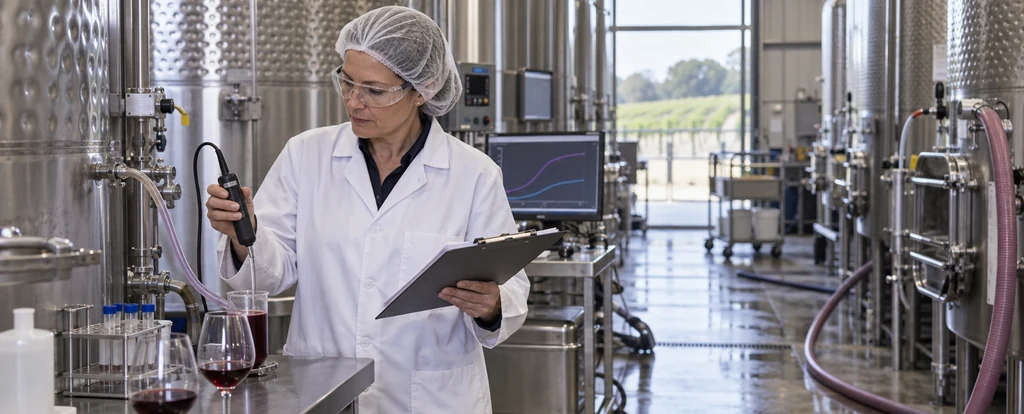
Winemakers turn grapes into wine, managing fermentation, blending and bottling so each vintage tastes the way the label promises.
- Median salary*
- $88,400
4.4%vs last year, before tax
- People employed
- 1,900
0.0%vs last year
- Projected growth*
- +2%
to 2035
- AI exposure*
- Low
- automation risk
- Average hours*
- 44/wk
+4h vs all jobs
- Shortage status*
- Not in shortage
national
Winemakers work in wineries of every size, from small family operations to large producers running several sites, and the job follows the vintage calendar rather than the office one. The role starts where viticulture ends: the grower looks after the vineyard and the fruit, and the winemaker takes over once grapes reach the crush pad. Most work sits in wine production, though some winemakers also handle cellar door tastings, retail and tourism through the quieter months.
How much do winemakers earn?
The median full-time salary for a winemaker is $88,400 per annum, before tax, up $18,600 since 2018.
Earnings move with the size of the winery and the level of the role, with chief and senior winemakers on considerably more than assistants and new entrants. Vintage work is often seasonal or contract, so a year's income depends partly on how many vintages you pick up, here or overseas. A track record with premium labels tends to do more for pay than further study.
What does a winemaker do day to day?
The list below is what fills most weeks; the exact mix shifts with seniority and whatever stage the current work is at.
- Running the crush during vintage, from grape intake and pressing to starting ferments
- Tracking ferments and tasting through barrels and tanks to see how each batch is developing
- Adding yeast, adjusting temperature and nutrients, and deciding when to press or drain
- Blending trial wines to hit a house style before the final blend is locked in
- Keeping batch records, laboratory results and export or labelling compliance paperwork in order
What skills do winemakers need?
Employers look for laboratory analysis, food safety and hygiene, process improvement, backed by Vintrace fluency and strong attention to detail.
Specialist skills
- Laboratory analysis
- Food safety and hygiene
- Process improvement
- Operations management
- Regulatory compliance
- Inventory management
Software and tools
- Vintrace
- WineScan
- pH meters
- Fermentation monitoring systems
General skills
- Attention to detail
- Problem solving
Is the job growing?
About 1,900 people work as winemakers in Australia, and employment is projected to grow 2% over the decade to 2035. That's modest growth: demand is steady rather than booming.
How do you become a winemaker?
Here's the path most winemakers take, step by step.
- 1Study winemaking or oenology
A Bachelor of Viticulture and Oenology or a wine science degree, offered at institutions including the University of Adelaide, Charles Sturt University and Curtin University, takes three to four years and covers fermentation science, sensory analysis and vineyard practice.
- 2Pick up cellar hand work through vintages
Paid vintage work is where the theory becomes practical: you learn fruit intake, pump-overs, barrel work and hygiene under a winemaker. Many people do vintages in both hemispheres to fit more experience into a year or two.
- 3Build laboratory and cellar skills as an assistant winemaker
Assistant roles cover bench analysis, ferment monitoring, additions and record keeping. This is where you learn to make calls on a batch rather than just carry them out, and it usually takes a few vintages to get there.
- 4Move into a winemaker role, or enter with a science degree and postgraduate study
If you already hold a science or food technology degree, a graduate or postgraduate qualification in oenology can shorten the path, though you will still need vintage experience before a winery hands you a label.
Ready to apply as a winemaker?
Whether you're working toward becoming a winemaker or already are one and want a hand with the next step (sharpening your resume for ATS screening, tightening your cover letter, or knowing what you'll actually be asked at interview), here are examples grounded in this specific role, not generic templates.
What jobs can a winemaker move to?
Moving into Food Technologist typically comes with the biggest pay rise, worth $25,700 a year more on average.
| Move to | Typical pay change | Overlap | Retraining |
|---|---|---|---|
| Food Technologist A winemaker brings process science, fermentation knowledge and quality control to food product development. | +$25,700 | 58% | short course |
| Food Scientist A winemaker brings fermentation science and product development experience to food research, though a food science qualification is needed. | +$25,700 | 27% | requalify |
| Food Quality Assurance Officer A winemaker brings laboratory testing, batch records and compliance skills to food and beverage quality assurance. | −$5,200 | 54% | short course |
| Distiller A winemaker brings fermentation control, sensory analysis and barrel experience to distillation, adapting easily to spirits production. | −$18,200 | 62% | minimal |
Moves are chosen from Jobs and Skills Australia's Data on Occupation Mobility, which follows income tax records between 2011-12 and 2020-21, together with entry requirements and skill overlap. A known move is one people were seen making in that data. Pay change compares median full-time pay for the two roles.
Who works as a winemaker?
The typical winemaker is 44 years old; 78% are men, 82% work full-time, and full-timers average 44 hours a week.
- 44
- Median age
- 22%
- Female share
- 82%
- Full-time
- +4h
- vs all-jobs avg
What's it like being a winemaker?
The job has two speeds. Vintage is weeks of long days and seven-day weeks, with fruit arriving when it is ready rather than when it suits you, and the rest of the year is quieter, spent on blending, barrel work, bottling and planning. It suits people who are happy to switch between a laboratory bench, a cold cellar floor and a tasting table, and who do not mind that the weather has a say in how the year turns out.
What people like
- You see a whole vintage through. The work runs from the first pick to the bottled wine, so you get to taste the result of a year's decisions rather than hand a job on unfinished.
- Science and craft sit together. Numbers from the laboratory tell you what is happening in a ferment, and your palate tells you what to do about it. Few jobs use both quite so directly.
- Real responsibility in a small team. Larger wineries have specialist staff, but in a small one the winemaker makes the blending and bottling calls, often with a handful of people on the crew.
- A close-knit, international industry. Vintages overseas, regional shows and tasting groups mean the network is broad, and people move between countries and wine regions fairly often.
What people find hard
- Vintage hours. During harvest, twelve-hour shifts across several weeks are normal, and the timing is set by sugar levels in the fruit rather than by anyone's schedule.
- The season can be undone by weather. Frost, hail, heat spikes and smoke from bushfires can change the quality of a whole year's fruit, and no amount of skill in the winery fixes that.
- Cellar work is physically hard. Barrels, hoses, caustic cleaning agents, cold rooms and wet floors are part of most days, not an occasional inconvenience.
- Jobs cluster in wine regions. Most positions sit in grape growing areas, so moving to a wine region, and often moving again for a better role, is a normal part of the career.
Based on our synthesis of professional-body surveys and public accounts of the role, not first-person verified reviews.
Which industries employ winemakers?
Wine and Other Alcoholic Beverage Manufacturing employs the largest share of winemakers, followed by Grape Growing.
Top employing industries
- 1Wine and Other Alcoholic Beverage Manufacturing
- 2Grape Growing
- 3Food and Beverage Services
- 4Retail Trade
- 5Tourism
Ranked by employment share; the source doesn't publish an exact percentage per industry.
| Bachelor degree | 52% | |
|---|---|---|
| Postgraduate | 26% | |
| Diploma / Advanced Diploma | 13% | |
| Other | 9% |
Will AI replace winemakers?
Winemaking is only lightly exposed to AI and automation, and what is in place mostly measures rather than decides. Fermentation monitoring systems, laboratory analysers and cellar software log temperature, density, sulphur and acid levels automatically, and AI can flag a batch drifting out of spec. The judgement calls that shape the wine, when to press, what to blend and whether a barrel is ready, still depend on a trained palate.
Share of typical working time by exposure level
- Tasting and blending decisionsTrial blends and barrel tastings rely on sensory assessment and knowledge of how the wine will age, which no system currently replicates.30%low
- Cellar work: barrel handling, topping and hygieneMoving barrels, topping them up, cleaning tanks and managing inert gas are hands-on tasks in a wet, cold environment with little prospect of automation in a small winery.30%low
- Harvest intake and fermentation monitoringSensors and software track sugar and temperature around the clock and cut down manual readings, but someone still tastes the ferment and decides when to press or drain.20%moderate
- Laboratory analysis and compliance recordsBench testing for sulphur, acid and stability is partly automated and digital records make labelling and export checks easier, but the winemaker still signs off on whether a wine is fit to bottle.20%low
Common questions about becoming a winemaker
Straight answers to the questions people ask most.
How much does a winemaker earn?
Winemakers earn a median of $88,400 per year before tax, as a guide. Size of winery, seniority and whether you pick up vintage contract work all shift that figure, and chief winemakers at premium producers sit well above it.
How do you become a winemaker?
The usual route is a winemaking or oenology degree followed by several vintages as a cellar hand and assistant winemaker before you run a wine yourself. If you already have a science or food technology degree, a postgraduate qualification in oenology plus vintage experience can get you there faster.
Are winemakers in demand?
Winemakers are currently not in shortage, and employment is projected to grow 2% over the decade to 2035. With about 1,900 people working as winemakers in Australia, the field is small, so a vintage or two at a known winery is often how people hear about openings before they are advertised.
Will AI replace winemakers?
Not in the near term. Fermentation monitoring systems, laboratory analysers and record-keeping software such as Vintrace already handle a lot of measurement and paperwork, but deciding when to press, what to blend and whether a batch is sound still comes down to a winemaker's palate and judgement.
Can winemakers work for themselves?
Many do, either by making their own label through a contract winery, consulting for smaller producers, or eventually owning or share-farming a vineyard and winery. This is often where earnings grow, though it usually comes after a decade or more of winery experience.
What other work can winemakers move into?
Distilling is a close fit, because fermentation control, sensory analysis and barrel experience carry across directly, and distillers earn $18,200 less. Food quality assurance is another option, drawing on the laboratory testing, batch records and compliance work of winemaking, with pay around $5,200 less.
Related roles
Not sure this is you? Take the career quiz and get a ranked shortlist of roles that fit how you like to work.