Special Effects Technician
Special effects technicians build and operate the physical effects a production needs, from prosthetics and animatronics to rain, wind and controlled fire.
- Median salary*
- $88,400
4.0%vs last year, before tax
- People employed*
- 1,400
0.0%vs last year
- Projected growth*
- +6%
to 2035
- AI exposure*
- Moderate
- automation risk
- Average hours*
- 44/wk
+4h vs all jobs
- Shortage status*
- Not in shortage
national
The job splits between a workshop and a set: prosthetics, animatronics and rigs are made and tested in the workshop, then fired, sprayed or puppeteered in front of the camera. It is often confused with visual effects, which is screen work added in post, while this role is hands on and physical, and the result has to be safe and repeatable take after take. Most work comes through film and television production companies, with the rest in advertising, live performance and themed attractions.
How much do special effects technicians earn?
The median full-time salary for a special effects technician is $88,400 per annum, before tax, up $18,500 since 2018.
Special effects technicians are usually hired production by production, so annual earnings depend on how many jobs you pick up rather than on a fixed salary. Rates are negotiated with the production or the effects house, and features, series and advertisements pay better than short films and student work. A pyrotechnics licence or specialist animatronics skills give you more room to negotiate.
What does a special effects technician do day to day?
The list below is what fills most weeks; the exact mix shifts with seniority and whatever stage the current work is at.
- Building prosthetics, animatronics and mechanical rigs in the workshop, usually from foam, silicone, fibreglass and metal
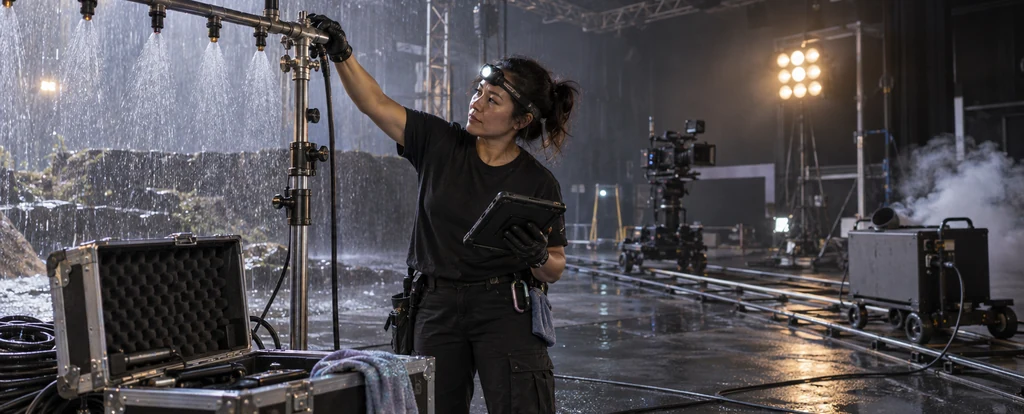
- Running atmospheric effects on set, such as rain towers, smoke, wind and snow, timed to the shot
- Setting and firing controlled pyrotechnic effects under a safety plan and a licensed supervisor
- Testing each effect before the take, because a reshoot means rebuilding and resetting the whole rig
- Maintaining, certifying and packing down equipment between productions, including rigs that need inspection
What skills do special effects technicians need?
Employers look for craft and handmade production, fabrication and finishing, hand and power tool work, backed by AutoCAD fluency and strong safety and compliance awareness.
Specialist skills
- Craft and handmade production
- Fabrication and finishing
- Hand and power tool work
- Creative software production
- Worksite safety management
Software and tools
- AutoCAD
- Blender
- Houdini
- Adobe After Effects
- Unreal Engine
General skills
- Safety and compliance awareness
- Problem solving
Is the job growing?
About 1,400 people work as special effects technicians in Australia, and employment is projected to grow 6% over the decade to 2035. That's modest growth: demand is steady rather than booming.
How do you become a special effects technician?
Here's the path most special effects technicians take, step by step.
- 1Build a hands-on trade or technical base
A certificate III or IV in engineering fabrication, carpentry, make-up or screen and media is the usual starting point, and around 34% of people in the role hold one. The workshop skills matter more than the certificate itself, because effects work is judged on what you can actually make.
- 2Get onto a set as an assistant or runner
Productions tend to hire people they already know, so a runner, art department or workshop assistant role is a common way in. From there you learn how a shoot day runs and how effects are tested before the camera rolls.
- 3Pick up the safety licences and qualifications
A White Card, a working at heights certificate and a pyrotechnics licence for firing effects are common requirements, each with its own course and renewal period. Pyrotechnics rules are set by state, so check the licensing body where you work.
- 4Specialise and document what you build
Most technicians become known for one area, such as prosthetics and animatronics, atmospheric effects or pyrotechnics. Photograph and keep records of finished effects, because supervisors hire on the evidence of previous work.
- 5Work through the effects houses and crew networks
A handful of effects companies and freelance supervisors supply most Australian productions, so getting on their books matters as much as your portfolio. Casual crew lists are how most technicians fill a year.
Ready to apply as a special effects technician?
Whether you're working toward becoming a special effects technician or already are one and want a hand with the next step (sharpening your resume for ATS screening, tightening your cover letter, or knowing what you'll actually be asked at interview), here are examples grounded in this specific role, not generic templates.
What jobs can a special effects technician move to?
None of the roles special effects technicians typically move into pay more than the role itself. Grip is the closest match. If a bigger salary is the goal, moving up into a senior or principal position within the role is usually the faster route than moving sideways.
| Move to | Typical pay change | Overlap | Retraining |
|---|---|---|---|
| Grip Brings on-set rigging and safety experience to camera grip work, though substantial retraining in grip equipment is needed. | +$0 | 30% | reskill |
| Pyrotechnician Brings practical effects and explosives safety experience to pyrotechnic displays, with licensing and reskilling required. | −$5,200 | 22% | reskill |
| Lighting Technician Brings live production awareness and on-set safety to lighting work, though substantial training in lighting systems is needed. | −$18,200 | 30% | reskill |
Moves are chosen from Jobs and Skills Australia's Data on Occupation Mobility, which follows income tax records between 2011-12 and 2020-21, together with entry requirements and skill overlap. A known move is one people were seen making in that data. Pay change compares median full-time pay for the two roles.
Who works as a special effects technician?
The typical special effects technician is 36 years old; 78% are men, 72% work full-time, and full-timers average 44 hours a week.
- 36
- Median age
- 22%
- Female share
- 72%
- Full-time
- +4h
- vs all-jobs avg
What's it like being a special effects technician?
The job follows production schedules, so weeks of workshop building are followed by early call times and long days on set while a sequence is shot. Effects have to work the first time and repeat for every take, and safety is constant because you are handling fire, pressure, solvents and moving rigs. People who enjoy it tend to like the practical problem solving and seeing their work survive the final cut.
What people like
- Making something that has to work on camera. An effect either fires, sprays or moves to cue in front of the camera, and there is no ambiguity about whether it worked.
- Splitting the week between workshop and set. Building and testing happen away from the pressure of a shoot day, which gives the job two quite different rhythms.
- Working across several departments. Effects sit between the art department, stunts, camera and the director, so you see how a sequence is assembled from more than one angle.
- Skills that carry into other industries. The same moulding, fabrication and rigging work is used in theatre, live events, advertising and theme parks, which widens your options when film production slows.
What people find hard
- Work arrives production by production. Contracts run for weeks or months, and there are often gaps between jobs while you wait for the next one to be confirmed.
- Schedule and weather pressure. An effect that depends on outdoor conditions can be pushed to the end of a shoot day, with the whole crew waiting on it.
- Physically demanding conditions. Silicone, fibreglass, solvents and dust mean masks, gloves and long hours on your feet, and some rigs are heavy to move and reset.
- Safety paperwork and licensing. Risk assessments, permits and licence renewals take real time, and responsibility for a misfire or an unsafe rig lands on the effects team.
Based on our synthesis of professional-body surveys and public accounts of the role, not first-person verified reviews.
Which industries employ special effects technicians?
Motion Picture and Video Production employs the largest share of special effects technicians, followed by Television Broadcasting.
Top employing industries
- 1Motion Picture and Video Production
- 2Television Broadcasting
- 3Performing Arts Operations
- 4Advertising Services
- 5Amusement and Other Recreation Activities
Ranked by employment share; the source doesn't publish an exact percentage per industry.
| Certificate III/IV | 34% | |
|---|---|---|
| Diploma / Advanced Diploma | 26% | |
| Bachelor degree | 20% | |
| Year 12 or below | 20% |
Will AI replace special effects technicians?
The role has moderate exposure to AI and automation. Previsualisation, concept rendering and mould drafting have moved into software such as Blender and Unreal Engine, which shortens the design stage, but the build and the on-set work are physical and stay with the technician. Safety and licensing sit with people, not models.
Share of typical working time by exposure level
- Fabricating prosthetics, moulds and rigsSoftware helps with patterns and mould design, but laying up silicone, casting a prosthetic or welding a rig still happens by hand in the workshop.35%moderate
- Operating effects on setFiring a rain tower or puppeteering an animatronic to a cue depends on timing with the actors and the camera, judged live on the day.30%low
- Designing and previsualising an effectConcept work increasingly runs through Blender, Unreal Engine or CAD, which lets a supervisor see a rain rig or a creature design before anything is built.25%high
- Managing safety, licences and risk on a shoot dayA pyrotechnics licence, a risk assessment and a shot by shot safety plan rest with the technician and the licensed supervisor.10%low
Moves least exposed to AI
These career moves from special effects technician work are rated low for AI exposure:
- Pyrotechnician
Some skill overlap (22%), reskill to get there, and a low automation-risk profile.
- Grip
Some skill overlap (30%), reskill to get there, and a low automation-risk profile.
Common questions about becoming a special effects technician
Straight answers to the questions people ask most.
How much do special effects technicians earn?
Special effects technicians earn a median of $88,400 per year before tax. Pay is usually set per production rather than by a single salary scale, so a full year depends on how many jobs you pick up and whether they are features, series or advertising work.
How do you become a special effects technician?
Most people build hands-on skills first, then get onto a set as an effects assistant or runner. A certificate III or IV in fabrication, make-up, carpentry or screen production is a common base, and a portfolio of effects you have made yourself does much of the persuading.
Are special effects technicians in demand?
Special effects technicians are currently not in shortage, and employment is projected to grow 6% over the decade to 2035. It is a small occupation, though, and crews are hired production by production, so steady work comes from being known to a few effects supervisors and production companies.
Will AI replace special effects technicians?
The role has moderate exposure rather than being under threat. Software such as Blender and Unreal Engine has taken over previsualisation, concept rendering and mould drafting, which shortens the design stage, but the physical build and the on-set operation of fire, weather and rigs stay with the technician. Pyrotechnic licensing and safety responsibility are not something a production can hand to a model.
Where can special effects technicians move into other roles?
Most moves come from trades that already work with moulds and composites. Fibreglass laminators bring lay-up and mould-making skills straight into effects construction and their pay sits $23,400 more, while grips use much the same on-set rigging and safety habits and grip work pays about the same. Experienced technicians often go on to run their own effects workshop or supply company, which is often where earnings grow.
What hours do special effects technicians work?
Full-time special effects technicians average about 44 hours a week, and 72% work full time. Shoot days can run well beyond that, with early starts and night work, because the schedule is set by the production rather than by you.
Related roles
- Pyrotechnician
- Lighting Technician
- Grip
- Orthotic and Prosthetic Technician
- Fibreglass Laminator
- Plastics Fabricator
Not sure this is you? Take the career quiz and get a ranked shortlist of roles that fit how you like to work.